Hounslow High Street house removals guide
Posted on 01/05/2026
Hounslow High Street House Removals Guide: A Practical Local Move Plan That Actually Helps
Moving home around Hounslow High Street can feel deceptively simple at first. It is a familiar stretch of West London, busy enough to keep you on your toes, but also well-connected and practical if you plan properly. The real challenge is not the postcode itself; it is the combination of timing, access, parking, packing, building rules, and the usual moving-day nerves that appear right when you need a clear head.
This Hounslow High Street house removals guide brings all of that together in one place. It is designed for people who want more than a vague checklist. You will find step-by-step advice, local considerations, common mistakes, and the kind of practical details that make a move smoother on the day. If you are weighing up services, it may also help to look at house removals in Hounslow, or broader removals across Hounslow if your move involves more than one property type.
To be fair, most moving stress comes from three things: leaving too much until the last minute, underestimating access issues, and forgetting that the High Street is not a quiet side road. The good news? All three are manageable.
Expert takeaway: The best Hounslow High Street move is usually the one planned around access, parking, load size, and time of day-not just the number of boxes.
Why Hounslow High Street house removals guide Matters
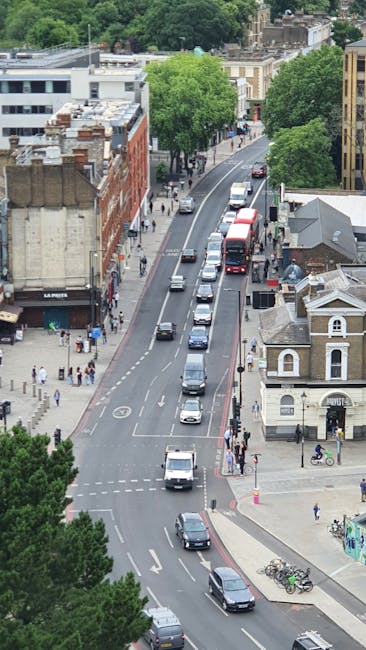
Moving house is rarely difficult because of one dramatic issue. It is usually a collection of small, annoying ones. A tight driveway here, a shared entrance there, a van that arrives at the wrong moment, or a sofa that suddenly does not fit through a doorway. Hounslow High Street brings extra variables because it is a busy urban setting with foot traffic, delivery vehicles, transport links, and commercial activity all competing for space.
That is why a local guide matters. You are not just moving furniture from A to B. You are planning a small operation in a live environment. If you live in a flat above shops, near a busy junction, or in a property with limited loading space, the move needs to be approached carefully. The same applies if you are moving from a family home with bulky furniture or a smaller property where you need a man with a van in Hounslow rather than a full-size crew.
There is also a trust factor. A move is often the point at which people discover whether a company is organised, insured, communicative, and realistic about timing. That matters. A lot. And if you are comparing providers, the wider removal companies in Hounslow page can help you think through what a proper service should include.
What makes this area different?
- Busy local traffic and frequent short-stay stopping patterns
- Potential access limits for larger vehicles
- Mixed residential and commercial surroundings
- Flats, terraces, and converted properties with varied entry points
- Pressure on timing during mornings, school runs, and peak delivery periods
In practice, this means your move should be designed around the street, not the other way round.
How Hounslow High Street house removals guide Works
A good removal plan for Hounslow High Street usually follows a simple flow: assess the property, understand access, decide on the right service, prepare items properly, and then keep the day itself as uncluttered as possible. Sounds obvious, but the details are where most people trip up.
The first stage is a realistic assessment. What exactly are you moving? How many rooms? Any fragile pieces? Any awkward items like mirrors, garden tools, or a piano? If your furniture needs special handling, it may be worth reviewing furniture removals in Hounslow or, for a more challenging item, piano removals in Hounslow.
The second stage is access. On a busy High Street, access can be the difference between a smooth move and a chaotic one. Think about where the vehicle will stop, how far items must be carried, whether lifts are available, and whether a parking bay, loading bay, or permit may be involved. If you are unsure, ask early. Don't guess. Guessing is how people end up with a van parked half a street away and a very unhappy afternoon.
The third stage is preparation. Packing, labelling, disassembly, and moving only the things you genuinely need to take. If you want a clearer picture of what support is available, take a look at packing and boxes in Hounslow and the wider removal services in Hounslow page.
Then comes moving day. Ideally, the team arrives with a clear route, protective materials, and a plan for loading in a sensible order. Heavy items first. Fragile items protected. No scrambling around looking for tape at the last second. That part should already be done.
Key Benefits and Practical Advantages
There is a reason well-planned removals feel almost calm compared with rushed ones. The benefits are practical, not abstract.
- Less risk of damage: Proper wrapping, lifting, and loading protect both belongings and property.
- Faster turnaround: A clear plan saves time on the day, especially where access is tight.
- Lower stress: You know what is happening, who is doing it, and when.
- Better cost control: Clear preparation helps avoid unnecessary delays or last-minute add-ons.
- Safer handling: Heavy lifting and awkward carrying are managed sensibly, reducing the chance of injury.
- Better for neighbours: A tidy, efficient move creates less disruption in a busy street.
There is also a less obvious benefit: confidence. Once the move is properly organised, you stop mentally juggling ten things at once. That matters more than people admit. The room suddenly feels quieter. Boxes are labelled. The kettle is packed. You can finally think about the new place instead of the mountain of tape on the table.
If your move is tied to purchasing a home, it can help to read about buying property in Hounslow wisely and the practical realities of Hounslow property transactions. A removal plan and a property timeline need to work together, not fight each other.
Who This Is For and When It Makes Sense
This guide is useful for a lot of different movers, but the needs do vary quite a bit.
Typical readers include:
- Homeowners moving into or out of Hounslow High Street properties
- Tenants leaving flats or maisonettes with limited access
- Families with larger furniture and multiple rooms of belongings
- First-time movers who want a simple, reliable plan
- People needing a short-notice move or same-day support
- Anyone comparing removal vans, man-and-van options, or full service crews
It also makes sense if you are moving within Hounslow rather than across the country. In local moves, the temptation is to think the job is small enough to improvise. Sometimes it is. Often it is not. A short move can still be surprisingly complicated if parking is awkward or the building has rules around loading and lift use.
Students, for example, may need something smaller and more flexible, which is where student removals in Hounslow can be relevant. If you are moving from a flat with stairs, narrow halls, or awkward furniture, flat removals in Hounslow may be the better fit.
And if you are in a hurry, well, same-day options can be a lifesaver. Not ideal, perhaps, but life rarely asks permission first. In that case, same-day removals in Hounslow might be the thing that keeps the day from going sideways.
Step-by-Step Guidance
Here is a practical way to approach a High Street house move without losing the plot.
1. Start with a property and access check
Walk through the home and note everything that needs moving. Measure big furniture if you suspect tight corners or stairwells. Check where the vehicle can stop. If the property sits above a shop or has a shared entrance, speak to the building contact or landlord early.
2. Choose the right type of removal support
Not every move needs the same setup. A small one-bedroom flat may be fine with a man and van in Hounslow, especially if you are moving a manageable load. A larger family home may need a bigger team and a dedicated removal van in Hounslow. The key is matching the vehicle and crew to the reality of the job.
3. Declutter before you pack
There is no nice way to say this: moving is expensive enough without paying to transport things you no longer use. Old paperwork, duplicate kitchen gadgets, broken chairs, mystery cables-this is the moment to let them go. It really helps. If you are trying to reduce waste, the company's recycling and sustainability information may also be useful.
4. Pack room by room
Label boxes clearly and keep related items together. A kitchen box should not contain random bathroom bits "for safety". That way lies confusion. Use sturdy materials, especially for glassware, books, and electronics. If you need help with supplies, a dedicated packing service can save time and reduce damage.
5. Prepare an essentials bag
Put aside the items you will need immediately on arrival: kettle, mugs, chargers, toiletries, basic snacks, documents, medication, and a change of clothes. Keep it separate from the main load. A small bag, not a box, is easiest. You will thank yourself later.
6. Confirm timings and contact details
Speak to the removals provider the day before. Confirm arrival time, access instructions, payment arrangements, and any special handling notes. If you want a clearer cost picture before booking, use the pricing and quotes page.
7. Do a final walkthrough
Before the van leaves, check cupboards, loft spaces, behind doors, and under beds. It is astonishing how often small valuables are left behind. One last sweep. Then another quick one. Honestly, that last check is worth it.
Expert Tips for Better Results
These are the little things that often separate a decent move from a genuinely smooth one.
- Schedule around local traffic: Early starts are often easier on busy streets. Mid-morning can be fine too, but avoid guesswork.
- Protect floors and walls: Hallways on older properties and narrow entrances can scuff easily.
- Keep one person in charge: Too many voices on moving day creates confusion. One point of contact keeps things moving.
- Photograph electronics before unplugging: Useful if you need to reconnect the same setup later.
- Separate valuables: Passports, jewellery, keys, and documents should travel with you.
- Use the right service for special items: Large sofas, wardrobes, and fragile pieces need experienced handling.
One practical trick: put a note on each room door saying where the main boxes should go at the new property. It sounds almost too simple, but it saves a surprising amount of back-and-forth. Less "where should this go?" and more "right, done, next."
If you need a sense of the wider area while planning the move, the article on what it is like to live in Hounslow gives a useful local perspective, while Hounslow's community and culture adds context that can help if you are settling in rather than simply relocating.

Common Mistakes to Avoid
Most removal problems are predictable once you have seen enough of them. Here are the repeat offenders.
Leaving packing too late
People often underestimate the time needed to sort, pack, label, and protect items properly. The result is rushed packing and brittle boxes. Not ideal.
Ignoring access constraints
If there is no space for a large vehicle, or if the walking distance from van to front door is long, the entire plan changes. Always confirm access before moving day.
Choosing the wrong vehicle size
A van that is too small means multiple trips. Too large can create parking problems. Balance matters.
Forgetting building rules
Some flats and managed properties have specific rules about lifts, loading times, or noise. Missing that detail can slow everything down.
Poor labelling
Unmarked boxes create a nightmare at the other end. The kitchen box should say kitchen. Not "miscellaneous 3".
Assuming all removals are the same
They are not. A furniture-only move, a student move, a family house move, and a storage transfer all have different demands. If you are unsure, reviewing storage in Hounslow can help when there is a delay between leaving and receiving keys.
Tools, Resources and Recommendations
A few tools make a big difference. Nothing flashy. Just practical stuff.
- Strong boxes and tape: Standard packing gear, but buy better than the cheapest option if possible.
- Furniture blankets and wrap: Essential for protecting polished surfaces and corners.
- Marker pens and labels: Simple, but they save chaos later.
- Measuring tape: Helpful for checking furniture dimensions against doorways and stairs.
- Zip bags for screws and fixings: Tape them to the furniture they belong to.
- Phone camera: Use it for inventory notes, meter readings, and cable setups.
For bigger or more delicate jobs, compare service types carefully. A full-service team may be best for a house move, while a smaller job might only need a man with a van in Hounslow. If you are also looking at broader service categories, the services overview page is a sensible place to start.
One more useful resource is the company's about us page. Not because it is glamorous, obviously, but because it helps you understand who you are trusting with the contents of your home.
Law, Compliance, Standards, or Best Practice
For house removals, the most important point is not a single dramatic rule. It is a combination of common-sense compliance, good practice, and clear communication.
Property access should be handled respectfully, especially in shared buildings, managed blocks, and busy mixed-use streets. If parking restrictions apply, check them in advance and do not assume a commercial vehicle can stop anywhere. Where necessary, coordinate with building management, landlords, or neighbours to avoid conflict. In London, small logistical mistakes can have outsized consequences, so preparation matters.
Good removal practice also includes:
- Clear item handling and loading methods
- Appropriate protective equipment for staff and furniture
- Proper communication about timing, access, and limitations
- Insurance awareness before the job begins
- Respect for health and safety procedures during lifting and transport
If you want reassurance on these points, review the company's insurance and safety information and health and safety policy. For booking terms, pricing detail, and general conditions, the relevant pages are terms and conditions and payment and security.
If your move involves temporary storage, make sure you understand how items are packed, labelled, and returned. That part is often overlooked. Then people wonder why the lamp base is in one place and the shade in another. It happens.
Options, Methods, or Comparison Table
Different move types suit different situations. Here is a simple comparison to help you choose more confidently.
| Option | Best For | Typical Advantages | Possible Drawbacks |
|---|---|---|---|
| Man and van | Small to medium moves, a few rooms, lighter loads | Flexible, often quicker to arrange, good for local jobs | May be less suitable for large households or lots of heavy furniture |
| Full house removals team | Family homes, fuller loads, more delicate handling | More support, better for larger or more complex moves | Usually more expensive than a smaller service |
| Same-day removals | Urgent moves, short-notice changes, unexpected timing issues | Fast response, practical under pressure | Availability can be limited and planning is tighter |
| Storage-linked move | Completion delays, temporary gap between properties | Useful if keys are not aligned or space is not ready | Requires extra coordination and packing discipline |
If you are comparing options, think beyond price alone. A cheaper service that struggles with access or special items can end up costing more in time and stress. For straightforward local jobs, a simpler solution may be enough. For more complicated house moves, the extra help is usually worth it.
Case Study or Real-World Example
Imagine a family moving from a two-bedroom property just off Hounslow High Street into a new home a few streets away. At first glance, the job looks easy. Same area, short distance, no long haul. But the details tell a different story.
The old property has a narrow stairwell, a large sofa that needs careful turning, and no private driveway. The new home has a slot for unloading, but only for a limited window in the morning. The family also has children's furniture, boxes of books, a dining table, and a fragile mirror that has been sitting in storage for months.
The move works best when it is split into clear parts:
- Small items packed the day before
- Large furniture disassembled where needed
- Parking and arrival time confirmed in advance
- Fragile pieces wrapped separately
- Essentials kept in one clearly marked bag
The result is not magical. There is still moving-day noise, a bit of tape sticking to everything, and somebody always forgetting where the kettle went. But the process stays controlled. The sofa comes out without damage. The children's beds are reassembled quickly. Nobody is stranded waiting for a missing screwdriver. That is the real win.
This is also where local knowledge matters. A crew familiar with Hounslow usually understands the rhythm of the area, the busy periods, and the practical issues that come with moving on or near the High Street. Not every delay can be avoided, but many can be planned around. And that counts for a lot.
Practical Checklist
Use this checklist in the final week before your move. It is simple, but it works.
- Confirm moving date and arrival time
- Check access, parking, and building rules
- Measure large furniture and awkward items
- Book the right type of removal service
- Pack room by room and label clearly
- Set aside essentials for the first night
- Disassemble furniture where needed
- Protect floors, mirrors, and fragile surfaces
- Keep valuables and documents with you
- Take meter readings and final photos where useful
- Do a final sweep of every cupboard, shelf, and loft space
If you are still deciding on a provider, you can reach out via the contact page for a more direct conversation about your move. Sometimes a quick call clears up more than twenty minutes of email back-and-forth. Funny how that works.
Conclusion
A successful move around Hounslow High Street is usually built on calm preparation, realistic planning, and the right level of help. The area itself is manageable, but it rewards people who think ahead about access, timing, packing, and vehicle choice. That is the real message of this guide: the details are where the stress is won or lost.
Whether you are moving a compact flat, a family home, or a property with a few tricky items, the goal is the same. Protect your belongings, respect the logistics, and keep the day organised enough that you can breathe. The move does not have to be perfect. It just needs to be properly handled.
Get a free quote today and see how much you can save.
And once the boxes are down and the kettle is on, there is a quiet little relief that only comes after a good move. Truth be told, that part is worth planning for too.